India’s September Food Pop-Ups: From Japanese Temaki to Ladakhi Flavours and Kolkata’s Durga Puja Thaalis
India’s dining scene is making room for more than new restaurants. This month, limited-period menus and chef collaborations are bringing Japanese hand rolls, regional Indian cooking, kebab traditions and festive Kolkata flavours to restaurant tables across the country. Some experiences end this weekend; others continue until September 30 or return with the Durga Puja season in October.
A food festival does not always mean a crowded ground, a row of stalls and a paper plate balanced precariously in one hand. Increasingly, it can mean a chef taking over a restaurant kitchen for two nights, a special menu built around a regional cuisine, or a familiar restaurant giving diners a reason to return.
September 2026 offers a snapshot of that shift. KOFUKU’s Temaki Festival brings Japanese hand rolls to multiple cities, Punjab Grill is spotlighting kebab traditions, and Bengaluru’s Nila is hosting a collaboration centred on Ladakhi food. In Delhi NCR, a Parsi food pop-up and a special anniversary menu add to the calendar. Kolkata’s festive dining season, meanwhile, is already looking ahead to October.
Timing matters: as of September 26, several September events are either ending today or have only a few days left. Check availability, seating and final prices with the venue before making plans.
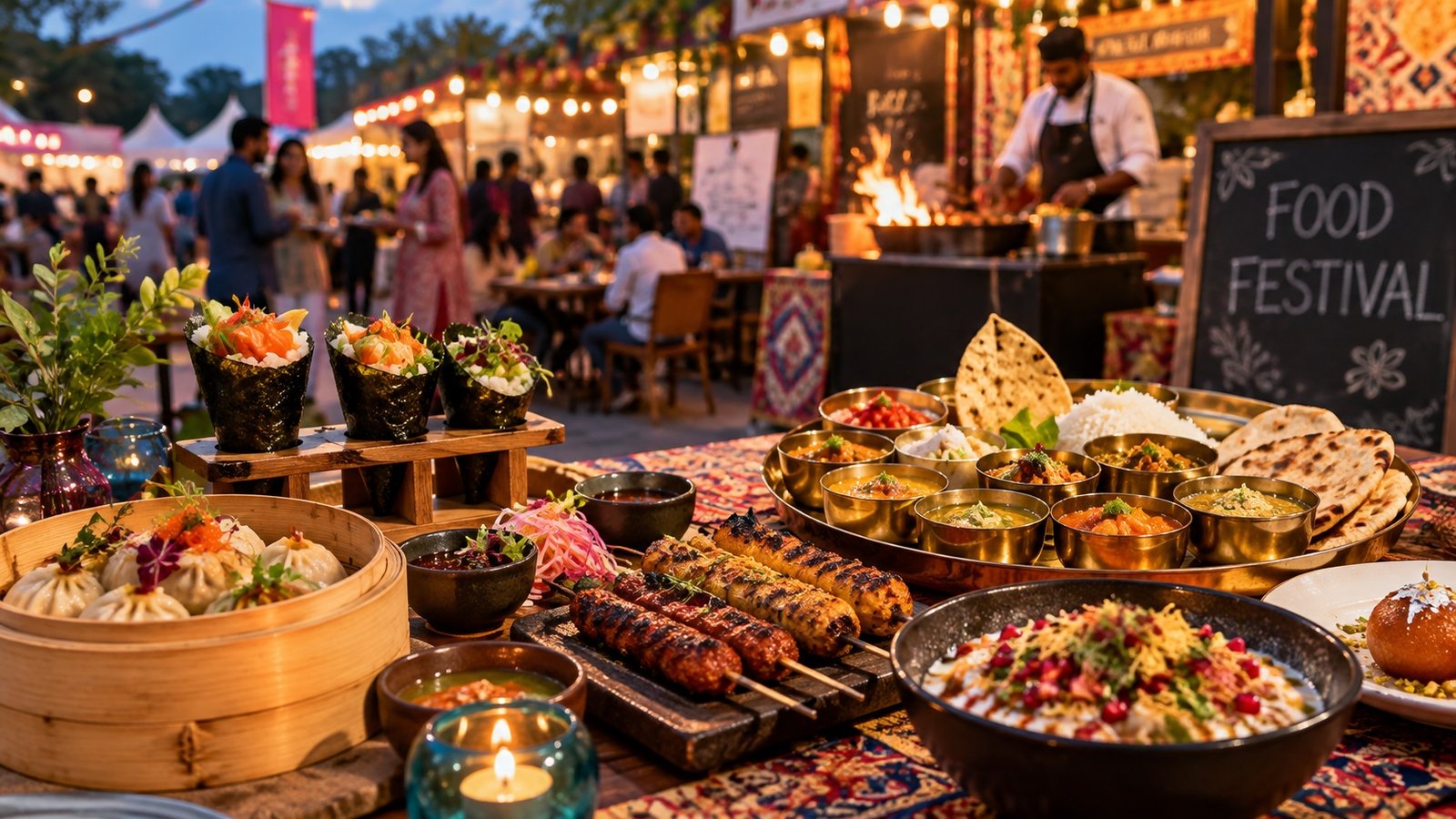
Japanese hand rolls take centre stage at KOFUKU
KOFUKU’s Temaki Festival celebrates temaki—Japanese hand-rolled sushi, traditionally shaped into a cone and made to be eaten soon after preparation. The format puts the emphasis on freshness and texture, with the seaweed, rice and fillings coming together in each hand roll.
The menu includes vegetarian options such as Veg Supreme Temaki, alongside combinations featuring prawns, salmon, tuna and other seafood. The festival is listed across KOFUKU outlets in Delhi, Gurugram, Mumbai, Goa and Leh.
For diners who usually associate sushi with neatly cut rolls, temaki offers a more informal experience. It is also a reminder that Japanese cuisine, like Indian food, contains many regional styles and formats—not just the dishes that become familiar through international restaurant menus.
Where: KOFUKU outlets in Delhi, Gurugram, Mumbai, Goa and Leh When: September 10–30, 2026
Kebab Di Kahaniyan: a menu built around India’s kebab repertoire
Punjab Grill’s Kebab Di Kahaniyan places kebabs at the centre of a limited-edition menu available through September. The selection includes dishes such as Gosht Shesh Kebab, Til Da Kukkad and Tikka de Rajkumar, alongside vegetarian options including Thecha Paneer Tikka 2.0 and Angithi Soya Tikka.
The mix is significant because the word kebab covers a broad culinary family. Across the subcontinent, preparations differ in their ingredients, marinades, cooking methods and regional histories. A contemporary restaurant menu can bring several of these influences together, while also adapting them for today’s diners.
The vegetarian options are worth noting too. They allow the format and flavour profile of kebab-style cooking to extend beyond meat, rather than treating vegetarian food as an afterthought.
Where: Punjab Grill outlets across Delhi NCR, Bengaluru, Punjab, Mumbai, Lucknow and Kanpur When: Throughout September 2026
Ladakh comes to Bengaluru at Nila
One of this weekend’s more distinctive collaborations brings Ladakhi cuisine to Bengaluru. Nila is hosting Chef Nilza Wangmo of Alchi Kitchen, Ladakh, for a two-night event with Nila’s Chef Rahul Sharma.
The collaboration features a 12-course tasting menu drawing on Ladakhi ingredients, recipes and culinary traditions. Alchi Kitchen, founded by Wangmo in 2014 near the historic Alchi Monastery, is known for its focus on traditional Ladakhi food.
The event offers a chance to encounter a Himalayan food culture that is less widely represented in India’s metropolitan restaurant scene than many other regional cuisines. Ladakhi cooking reflects its geography, climate, local ingredients and cultural exchanges. Presenting it through a dedicated collaboration can introduce diners to flavours and foodways they may not otherwise seek out.
Where: Nila, Bengaluru When: September 26–27, with seatings listed for 7 pm and 9:30 pm Listed price: ₹5,910++ per person; confirm the final bill and inclusions with the restaurant.
Delhi NCR: Parsi family food and a Tangra anniversary
Two more experiences bring different strands of food heritage into the restaurant setting.
At Dirty Good in New Delhi, the Parsi Heritage Kitchen pop-up runs from September 25 to 27. Its focus is the food of Parsi family kitchens and recipes passed down across generations. The short run makes it a final-weekend option for diners interested in a community’s culinary traditions.
At Tangra – Tales of Chinatown, The Westin Sohna Resort & Spa is marking its first anniversary with a special menu throughout September. The offering includes dishes such as curried fish dumplings, orange prawns, dragon chicken wings and fried rice. The restaurant takes inspiration from Kolkata’s Tangra neighbourhood, associated with the city’s Chinese-Indian food culture.
These events show how restaurants can use a limited menu to tell a story about a community or culinary tradition. The challenge is to make that story more than a decorative theme: ingredients, preparation and context matter as much as the name on the menu.
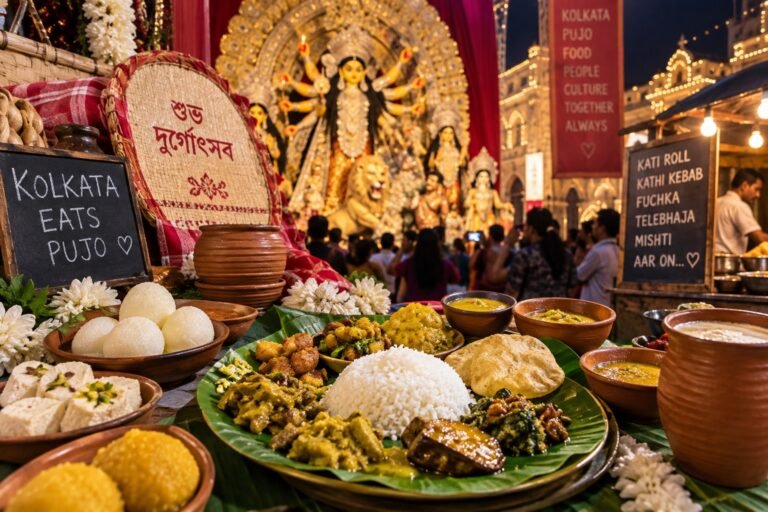
Kolkata looks ahead to Durga Puja dining
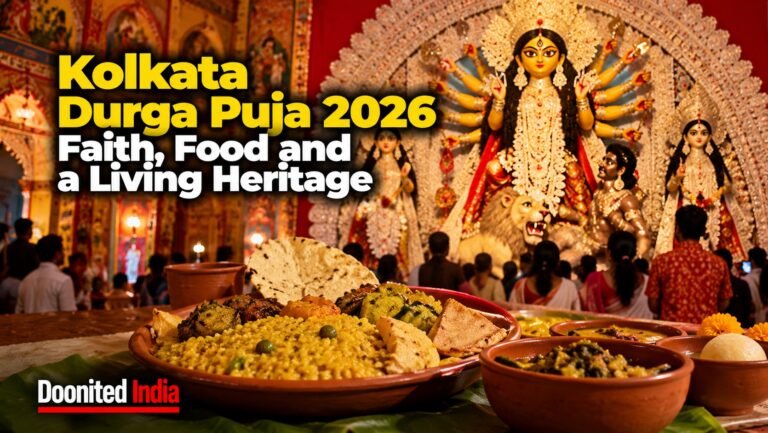
For those planning beyond September, Park Street SOCIAL in Kolkata is listing a limited-period festive menu called SOCIAL PETPUJO from October 10 to 21.
The offering includes five thaalis combining Bengali favourites with other Indian and Tangra-inspired dishes. Options feature fish, prawns, mutton and chicken, with menus designed around the festive season and the tradition of eating out during Durga Puja.
The timing places the experience after the main September pop-up rush and into October’s festive calendar. For Kolkata, food is part of the wider Puja experience: from pandal-hopping snacks to planned family meals, the city’s seasonal dining habits are closely tied to celebration and socialising.
Where: Park Street SOCIAL, Kolkata When: October 10–21, 2026 Planning note: Confirm the menu, service dates and booking details directly with the venue.
What these pop-ups say about India’s dining culture
The appeal of a limited-period menu is partly its sense of occasion. A special event gives diners a reason to try something unfamiliar, while restaurants can test ideas, collaborate with guest chefs and introduce cuisines outside their regular offering.
But the format has limits. A festival lasting a few days may be inaccessible to people who live elsewhere, and tasting-menu prices can place some experiences beyond an everyday dining budget. The word “festival” can also describe very different things—from a multi-city restaurant menu to a two-night, reservation-only collaboration.
That is why diners should look beyond the promotional headline. Check what is included, whether taxes and service charges are extra, whether vegetarian choices are available, and whether the event requires advance booking. For short pop-ups, a quick confirmation can save a long journey for a menu that has already ended.
DOONITED View: the most interesting menu tells a story
India’s food culture is not static. It is shaped by migration, trade, geography, community traditions and generations of home cooking. Restaurant pop-ups can create a useful meeting point between these histories and curious diners.
The strongest collaborations do more than offer a limited-edition dish. They give people a reason to understand where a cuisine comes from, what makes it distinctive and how it fits into a larger food culture. That is especially valuable when regional traditions are introduced with care rather than reduced to a passing trend.
For diners, the best approach is curiosity with a little planning: choose the experience that genuinely interests you, verify the details, and arrive ready to learn as well as eat. After all, a memorable meal should leave you with more than a photograph—and ideally not just a bill that needs its own tasting menu.
Learning Point
Food pop-ups are a way to explore culinary traditions, but dates and details can change quickly. As of September 26, KOFUKU’s Temaki Festival runs until September 30, the Ladakhi collaboration at Nila is scheduled for September 26–27, and Kolkata’s Park Street SOCIAL festive menu is listed for October 10–21. Confirm availability and final prices directly before visiting.

World Beyond the News
Bees Communicate Where Food Is
Honeybees use movement patterns known as waggle dances to communicate information about food locations.
Street Food Reflects Local History
Many famous street foods developed from migration, trade, local ingredients and the everyday needs of working communities.
A Day on Venus Is Extremely Long
Venus rotates so slowly that one rotation relative to distant stars takes longer than its trip around the Sun.
Human Achievement Continues to Push Limits
Athletes, engineers, scientists and explorers regularly establish new benchmarks in speed, endurance, scale and precision.