SATURDAY, NOVEMBER 28, 2026
07:11:05 AM
Doonited India
LOCAL WEATHER
Loading...
INDIA WEATHER
DELHI --°C
MUMBAI --°C
CHENNAI --°C
KOLKATA --°C
BREAKING NEWS

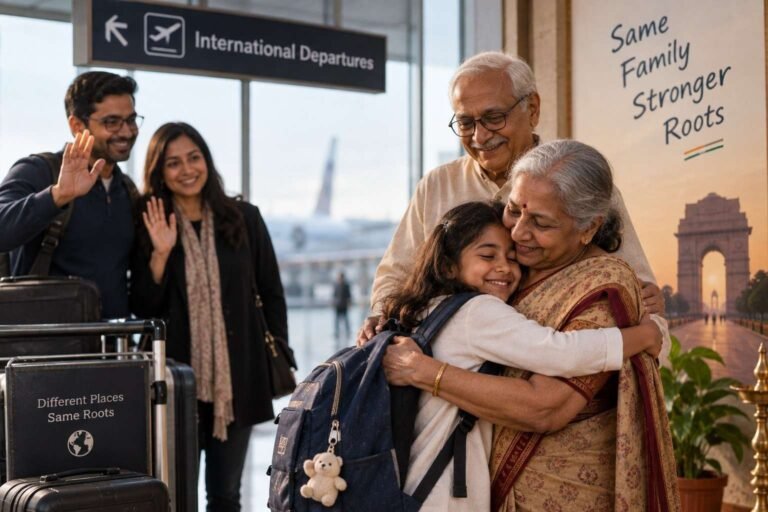
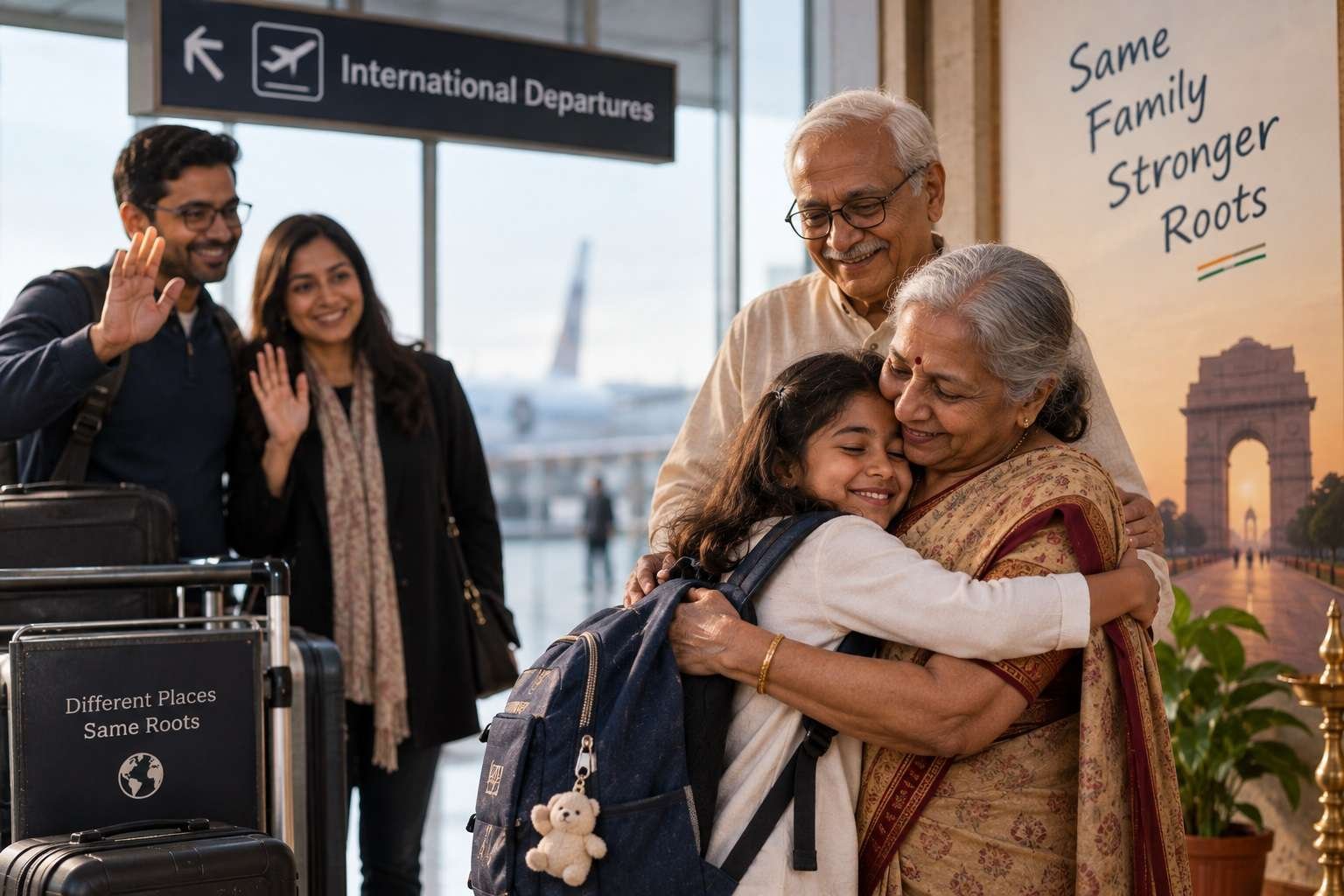
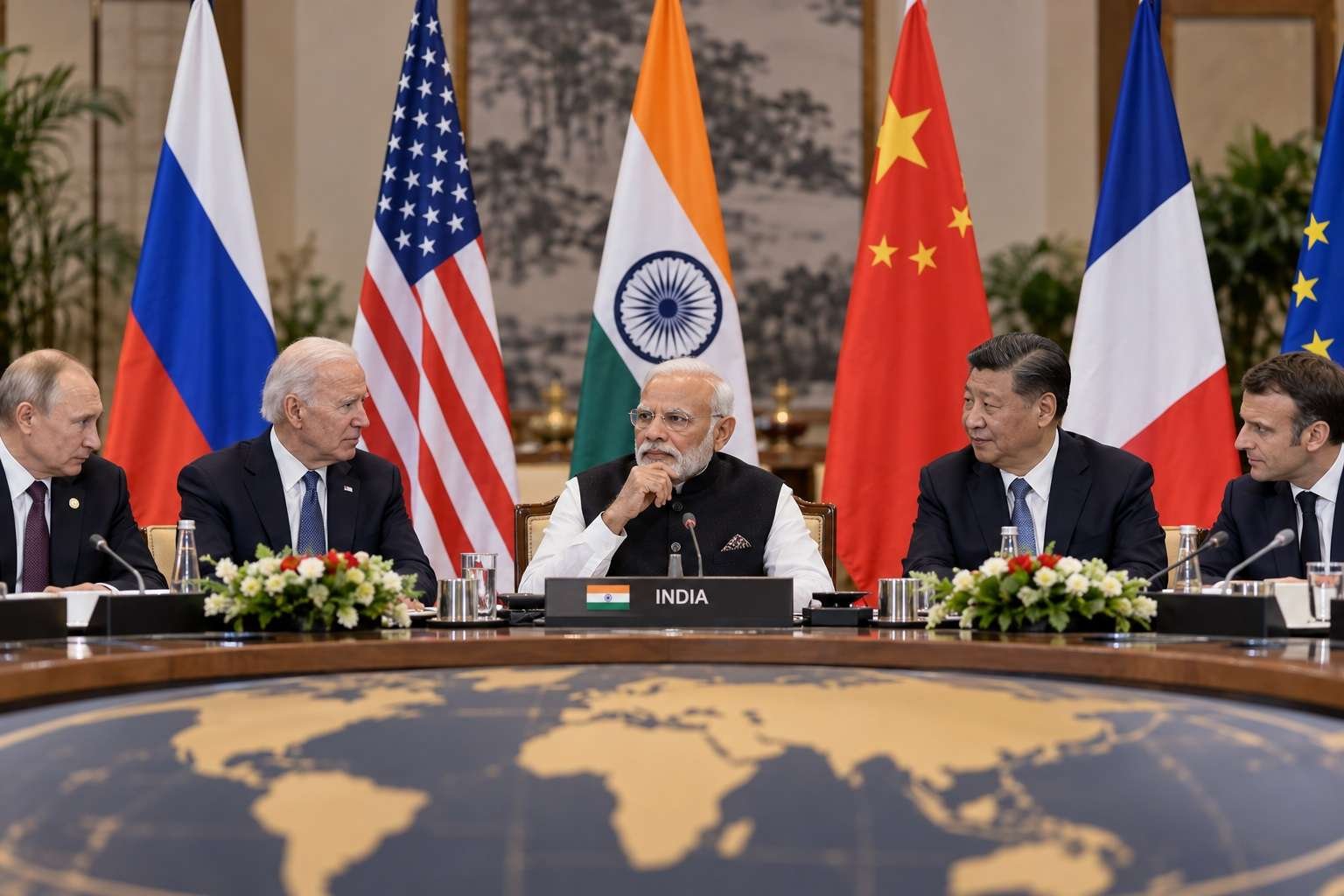
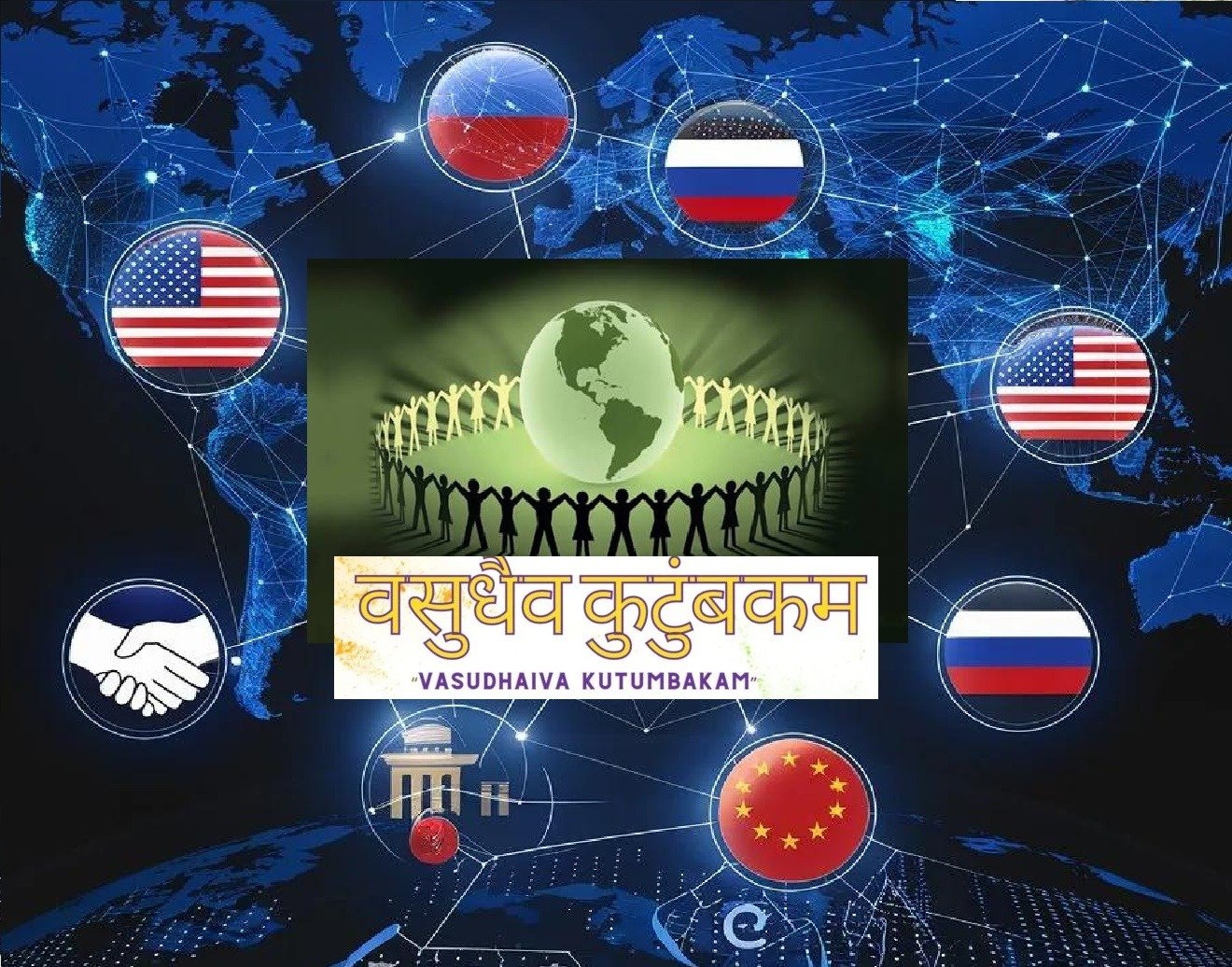
Can the World Really Become One Family? Imagine a family dinner where everyone agrees on the menu, nobody argues about money, nobody fights over the remote control and, most importantly, nobody asks who is paying the bill. Sounds wonderful. It also sounds slightly unrealistic. That is precisely why one of India’s oldest philosophical ideas has acquired such an interesting new life in international politics. “Vasudhaiva Kutumbakam” — the world is one family. The Sanskrit phrase has travelled an extraordinary distance: from an ancient Indian philosophical text to modern diplomatic speeches, international conferences and the vocabulary of global governance. India made it particularly visible during its 2023 G20 presidency, choosing “Vasudhaiva Kutumbakam — One Earth, One Family, One Future” as the presidency’s theme. But there is an important question beneath the beautiful phrase: Can an idea about universal human unity actually work in a world where countries compete for security, technology, resources, markets and influence? The answer is neither a simple yes nor a cynical no. It is much more interesting. An ancient idea with a very modern message The expression appears in the Maha Upanishad, where the broader verse contrasts narrow-minded thinking — “this is mine, that is theirs” —

Opinion
Can the World Really Become One Family? Imagine a family dinner where everyone agrees on the menu, nobody argues about money, nobody fights over the remote control and, most importantly, nobody asks who is paying the bill. Sounds wonderful. It also sounds slightly unrealistic. That is precisely why one of India’s oldest philosophical ideas has acquired such an interesting new life in international politics. “Vasudhaiva Kutumbakam” — the world is one family. The Sanskrit phrase has travelled an extraordinary distance: from an ancient Indian philosophical text to modern diplomatic speeches, international conferences and the vocabulary of global governance. India made it particularly visible during its 2023 G20 presidency, choosing “Vasudhaiva Kutumbakam — One Earth, One Family, One Future” as the presidency’s theme. But there is an important question beneath the beautiful phrase: Can an idea about universal human unity actually work in a world where countries compete for security, technology, resources, markets and influence? The answer is neither a simple yes nor a cynical no. It is much more interesting. An ancient idea with a very modern message The expression appears in the Maha Upanishad, where the broader verse contrasts narrow-minded thinking — “this is mine, that is theirs” —

October 10, 2026

Can the World Really Become One Family? Imagine a family dinner where everyone agrees on the menu, nobody argues about money, nobody fights over the remote control and, most importantly, nobody asks who is paying the bill. Sounds wonderful. It also sounds slightly unrealistic. That is precisely why one of India’s oldest philosophical ideas has acquired such an interesting new life in international politics. “Vasudhaiva Kutumbakam” — the world is one family. The Sanskrit phrase has travelled an extraordinary distance: from an ancient Indian philosophical text to modern diplomatic speeches, international conferences and the vocabulary of global governance. India made it particularly visible during its 2023 G20 presidency, choosing “Vasudhaiva Kutumbakam — One Earth, One Family, One Future” as the presidency’s theme. But there is an important question beneath the beautiful phrase: Can an idea about universal human unity actually work in a world where countries compete for security, technology, resources, markets and influence? The answer is neither a simple yes nor a cynical no. It is much more interesting. An ancient idea with a very modern message The expression appears in the Maha Upanishad, where the broader verse contrasts narrow-minded thinking — “this is mine, that is theirs” —

Read More…

About the Editor — Pradeep Banerjee
DOONITED INDIA WORLD INFORMATION

World Beyond the News

ANIMAL BEHAVIOUR🐘

Why Elephants Stay Close to Their Herd

Elephants live in highly social family groups and use calls, touch and body movements to maintain strong bonds.

OCEAN MYSTERY🌊

Most of the Deep Ocean Remains Difficult to Explore

Extreme pressure, darkness and distance make deep-ocean exploration one of Earth’s greatest scientific challenges.

SCIENCE🚀

Spacecraft Can Travel Without Traditional Roads

Spacecraft use carefully calculated trajectories and gravity assists to travel enormous distances through space.

ENTERTAINMENT🎬

Why Movie Trailers Are Released in Stages

Major films often use teaser trailers, full trailers and final promotional spots to build awareness over time.