India Tourism 2026: The Year India Started Travelling Differently
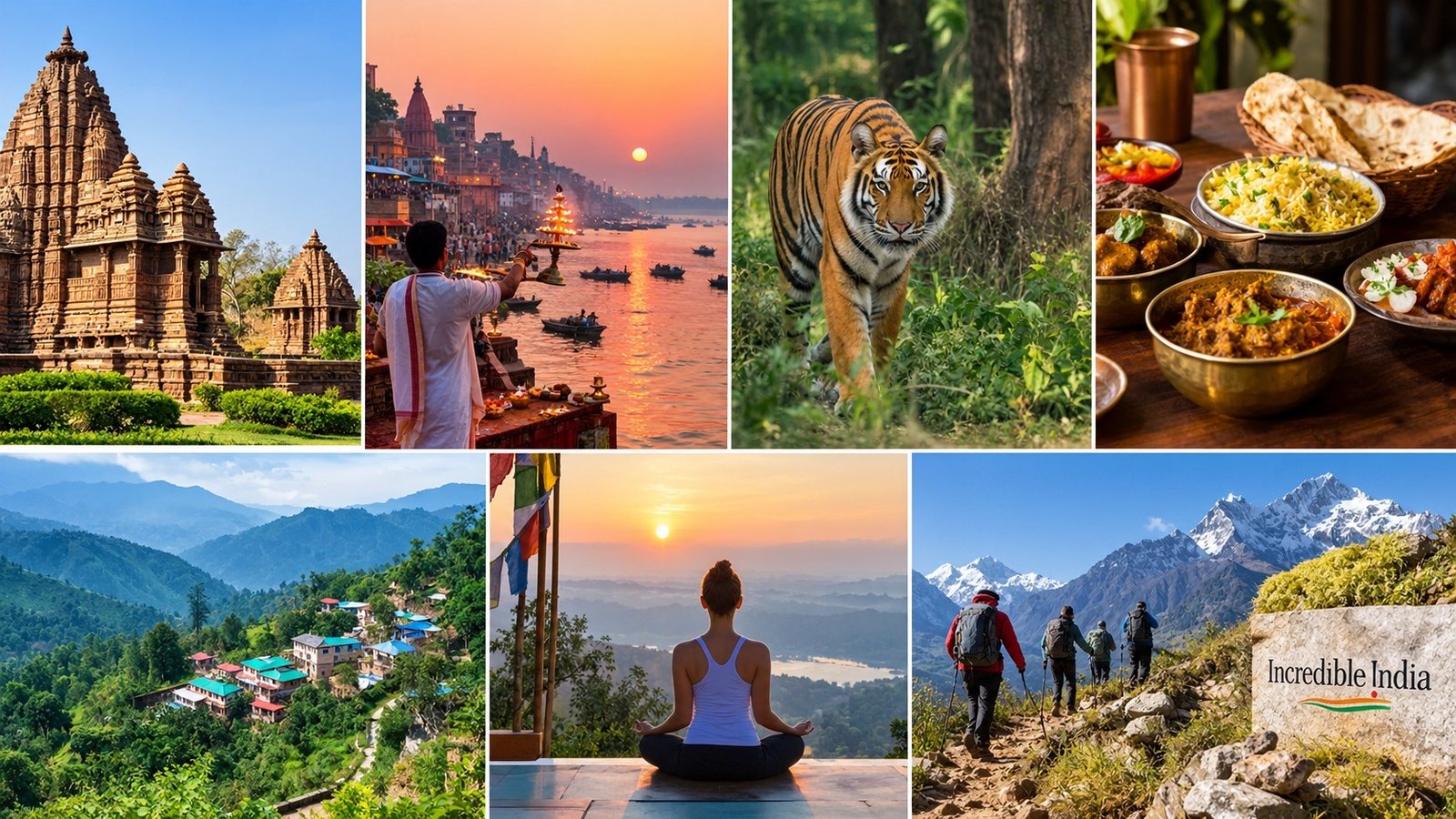
The country is not short of famous destinations. What is changing is the way Indians and international visitors are experiencing them. A temple visit is increasingly becoming part of a broader spiritual journey. A heritage city is becoming a food, culture and walking experience. A Himalayan destination is being viewed through nature and wellness. Wildlife tourism is moving beyond a safari photograph. And smaller destinations are beginning to find their place alongside India’s established tourist magnets.
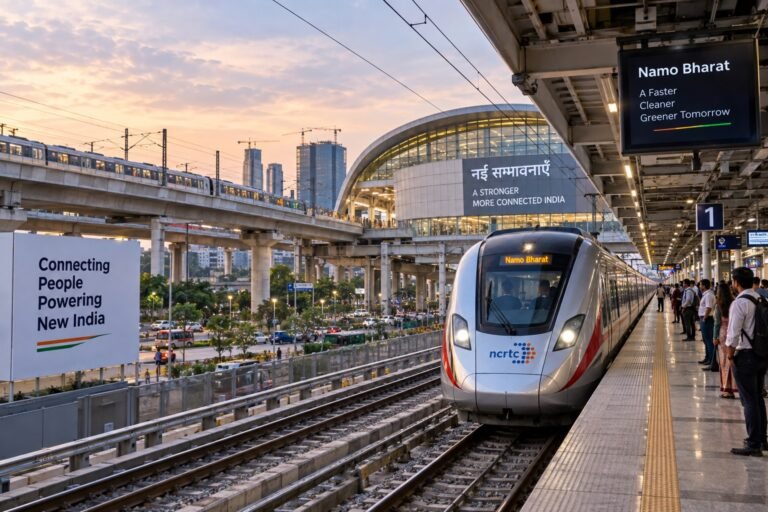
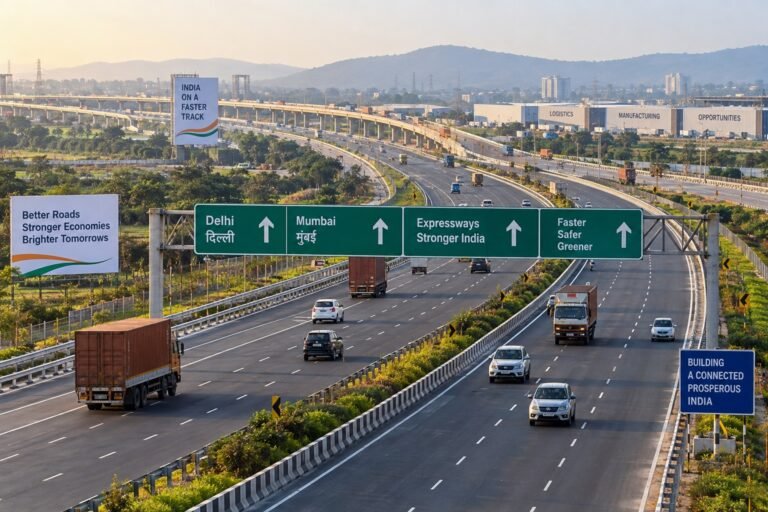
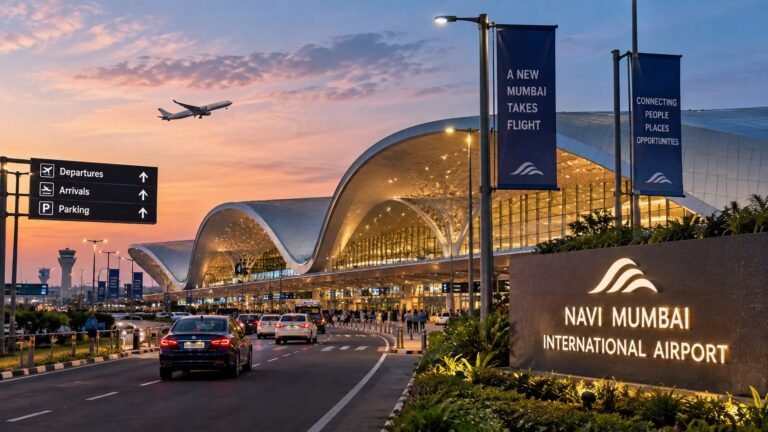
The transformation is also being supported by investment in connectivity, visitor facilities, heritage conservation and destination development.
In other words, India’s tourism industry is slowly moving from “Where should we go?” to “What kind of experience do we want?”
Tourism is becoming an important part of India’s growth story
Tourism already has a substantial economic footprint. According to the Ministry of Tourism’s 2025 data, tourism’s total contribution was estimated at 5.22% of India’s GDP, while the sector supported about 13.34% of total employment when direct and indirect effects are considered.
The scale of domestic travel is particularly significant.
The Ministry’s tourism dashboard records 4,286.90 million domestic tourist visits in 2025, compared with around 2,944 million in 2024. International tourism is important, but India’s enormous domestic market gives the country something few destinations possess: a tourism economy powered by its own population.
That changes the equation.
India does not have to wait for foreign tourists to fill its hotels, restaurants, trains and tourist attractions. Indians themselves are travelling more widely within India, creating demand across pilgrimage, leisure, adventure, heritage, wildlife, food and cultural tourism.
2026: From tourist spots to complete destinations
One of the most important changes is happening at the infrastructure level.
The government’s Swadesh Darshan 2.0 programme has moved away from developing isolated tourist attractions towards a more destination-centric approach. As of March 2026, 53 projects worth more than ₹2,200 crore had been sanctioned under the programme. The PRASHAD scheme, meanwhile, had sanctioned 54 pilgrimage and heritage projects across 28 States and Union Territories.
This distinction matters.
A monument by itself is an attraction.
A monument connected to good roads, parking, clean public facilities, interpretation centres, local food, accommodation, shopping, walking routes and cultural experiences becomes a destination economy.
That is where the real opportunity lies.
Spiritual tourism remains one of India’s strongest travel engines
For millions of Indians, travel has never been separated from faith.
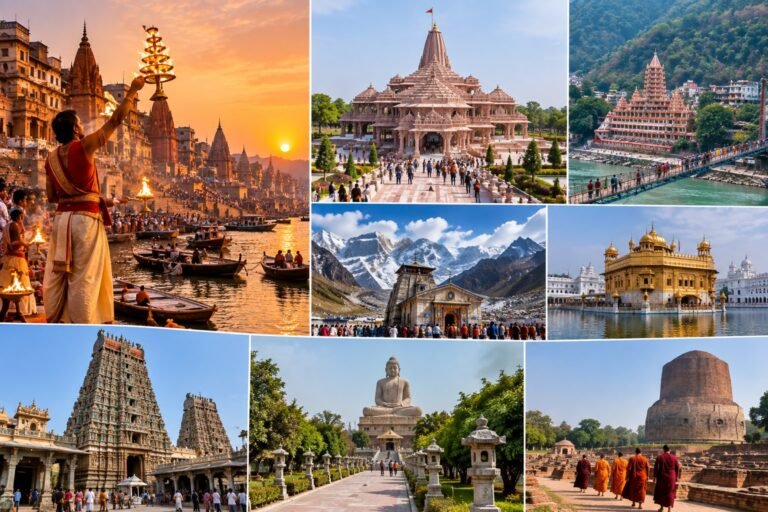
Varanasi, Ayodhya, Tirupati, Puri, Amritsar, Bodh Gaya, Nashik, Ujjain and numerous regional pilgrimage centres attract travellers throughout the year.
Government investment is increasingly recognising this reality. PRASHAD projects are designed to improve pathways, lighting, sanitation, drinking water, access and other visitor facilities at pilgrimage destinations.
The opportunity is larger than religious travel alone.
A pilgrim also eats in local restaurants, buys local products, uses transport, books accommodation and often explores surrounding attractions.
A pilgrimage destination can therefore become a significant local economic ecosystem.
The challenge is equally obvious: popularity can become a problem if visitor numbers grow faster than sanitation, traffic management, waste disposal and accommodation capacity.
Tourism infrastructure must therefore grow with the destination, not simply around it.
India’s heritage is becoming an experience
India’s tourism advantage is not only the number of monuments it possesses. It is the fact that history is often still alive around them.
Fort cities, temple towns, old markets, craft villages, traditional cuisines, music, dance and festivals create experiences that cannot easily be replicated elsewhere.
The Union Budget 2026–27 proposed developing 15 archaeological sites into more experiential cultural destinations, including Lothal, Dholavira, Rakhigarhi, Sarnath, Hastinapur and Leh Palace. The proposals include visitor facilities, interpretation and curated experiences rather than simply preserving the structures as static monuments.
This could become particularly important for travellers who want more than the obligatory photograph.
The modern tourist increasingly wants to know:
What happened here? Who lived here? What did they eat? What did they build? Why does it still matter?
That is the difference between seeing a monument and experiencing a civilisation.
The North-East gets a bigger tourism opportunity
India’s North-East remains one of the country’s most distinctive tourism regions, with mountains, forests, indigenous cultures, monasteries, biodiversity and relatively less commercialised landscapes.
The 2026 tourism agenda has placed greater attention on the region. Budget proposals include tourism development across Arunachal Pradesh, Assam, Sikkim, Manipur, Mizoram and Tripura, including Buddhist heritage and pilgrimage infrastructure.
A proposed Buddhist circuit for the North-East could connect historically significant monasteries and sites while improving interpretation, amenities and connectivity.
The opportunity is substantial, but so is the responsibility.
The North-East should not become another destination where uncontrolled tourism eventually damages the very landscape that attracted visitors.
The smarter model is high-value, lower-impact tourism: longer stays, local guides, local accommodation, regional food and stronger community participation.
Wildlife and nature tourism move into the mainstream
India’s natural tourism proposition is enormous.
The country has national parks, tiger reserves, wetlands, forests, mountains, coastlines and biosphere reserves. The Ministry’s 2026 tourism backgrounder lists 106 national parks and 18 biosphere reserves among India’s tourism assets.
Wildlife tourism can generate substantial local economic activity, but it needs careful management.
The goal cannot simply be to put more jeeps into a forest.
The better question is how tourism can generate income for surrounding communities while maintaining ecological limits.
The country’s growing interest in nature-based tourism, eco-trails and wildlife experiences suggests that this segment will remain important in 2026 and beyond.
Food may become one of India’s biggest tourism advantages
There is another tourism asset India sometimes underestimates: food.
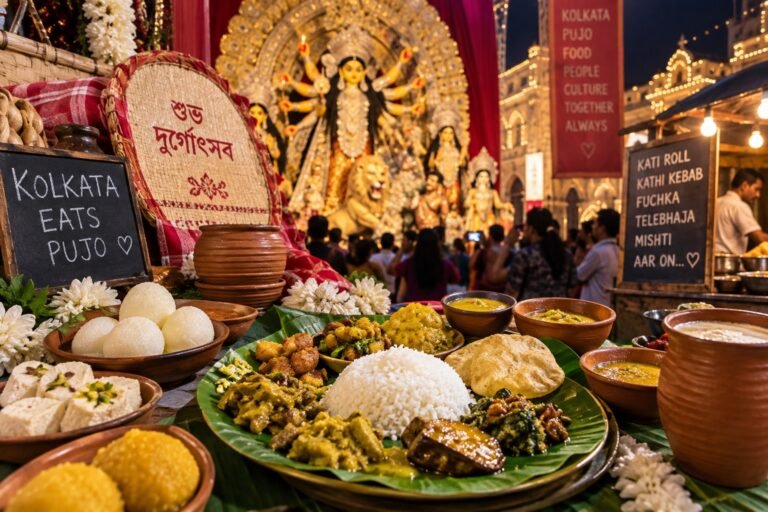
A traveller visiting Lucknow, Kolkata, Amritsar, Hyderabad, Indore, Kochi, Jaipur, Nagpur or Guwahati is not experiencing the same India with a different postcode.
Regional food tells the story of migration, agriculture, religion, trade and history.
That creates enormous potential for food tourism — from street-food trails and regional restaurants to culinary festivals, farm experiences and traditional cooking.
For Doonited readers, this is perhaps one of the most interesting developments: Indian tourism does not always require a new monument. Sometimes it requires telling an old story better — and serving it on a plate.
Medical, wellness and experience-led tourism
India’s tourism economy is also broadening beyond holidays.
The 2026 Budget proposed five regional medical hubs, reflecting the country’s ambitions in medical tourism. The tourism strategy also increasingly connects wellness, Yoga, Ayurveda, nature and longer-stay experiences.
This is significant because high-value tourism does not necessarily mean luxury hotels.
A visitor who stays longer, uses several local services and returns for a specialised experience can contribute more to a destination than a traveller making a quick stop.
The hidden challenge: India’s tourism success could create its own problems
There is a temptation in tourism stories to celebrate rising visitor numbers as an automatic success.
They are not.
A destination can become overcrowded.
Roads can become congested. Waste can overwhelm local systems. Water demand can rise sharply. Property prices can increase. Local communities can be pushed away from their own tourist centres.
The question for India in 2026 is therefore not simply how many tourists can we attract?
It is:
How many visitors can a destination accommodate without losing the character that made people want to visit it?
That is the harder tourism question — and probably the more important one.
The Doonited Perspective
India’s tourism opportunity in 2026 is ultimately about depth rather than simply volume.
The country already possesses extraordinary raw material: mountains, beaches, forests, wildlife, temples, monasteries, forts, cuisine, crafts, festivals and living traditions.
The next stage is to connect these assets into better-designed experiences.
A traveller should be able to arrive in a city, understand its history, eat its food, meet its people, discover its crafts and leave with something more valuable than a gallery full of photographs.
That is when tourism becomes an economic multiplier rather than merely a visitor count.
And perhaps that is India’s biggest tourism advantage in 2026.
India does not need to invent attractions. It needs to make more of the attractions it already has accessible, meaningful, sustainable and unforgettable.
The learning for the traveller
The most interesting Indian holiday in 2026 may not necessarily be the most expensive one.
It may be the journey that combines a lesser-known town, local food, heritage, nature and people — while leaving money in the local economy and respecting the destination.
India’s tourism map is therefore getting bigger.
And the next great Indian travel story may be waiting somewhere that has not yet become famous.

World Beyond the News
Why Elephants Stay Close to Their Herd
Elephants live in highly social family groups and use calls, touch and body movements to maintain strong bonds.
Most of the Deep Ocean Remains Difficult to Explore
Extreme pressure, darkness and distance make deep-ocean exploration one of Earth’s greatest scientific challenges.
Spacecraft Can Travel Without Traditional Roads
Spacecraft use carefully calculated trajectories and gravity assists to travel enormous distances through space.
Why Movie Trailers Are Released in Stages
Major films often use teaser trailers, full trailers and final promotional spots to build awareness over time.