Arvind × Ashish N Soni: Can Indian Textile Expertise Give Contemporary Menswear a New Runway?
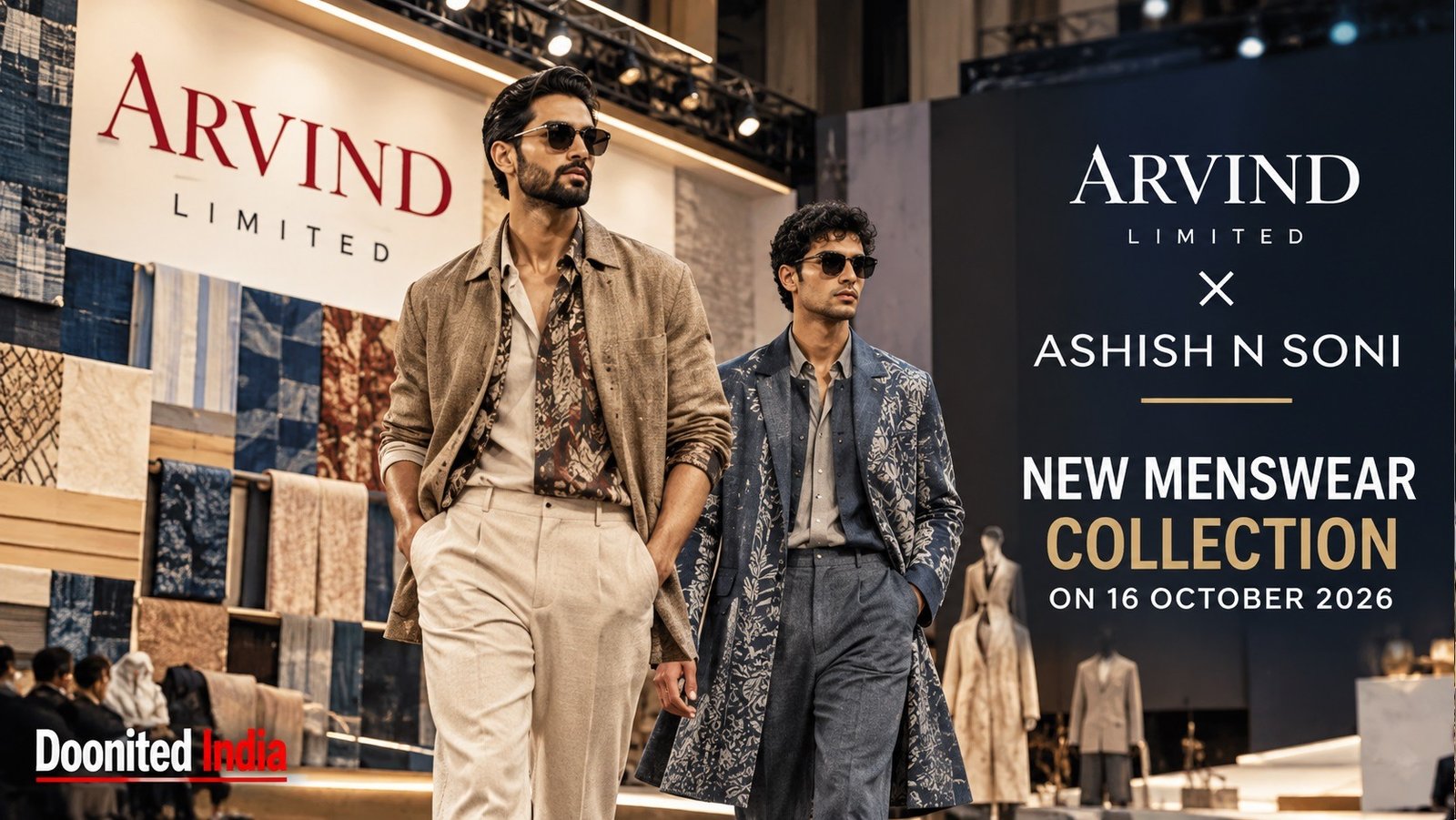
Arvind Limited is partnering with designer Ashish N Soni for a contemporary menswear collection scheduled to debut on 16 October 2026. The collaboration is set to bring fabrics including cotton, wool, linen, Tencel and bamboo to the runway, with selected looks expected to reach The Arvind Stores after the showcase. The announcement positions the project as a journey from textile development to design, runway and retail.
From the Fabric Mill to the Fashion Runway
Fashion weeks often focus attention on the finished look: the cut of a jacket, the fall of a trouser, the styling of a model and the designer’s larger creative statement. Yet much of what determines how a garment looks and feels begins well before it reaches the runway.
Fabric weight, texture, drape, breathability and finish influence what a designer can create. A sharply structured jacket requires different material behaviour from a relaxed summer shirt. A wool blend can lend itself to tailoring, while linen is often chosen for its textured appearance and warm-weather appeal.
This is the territory where Arvind Limited’s textile expertise meets Ashish N Soni’s design perspective.
The announced collection draws on a range of materials, including cotton, wool, linen, Tencel and bamboo. The mix gives the collaboration an opportunity to explore different expressions of menswear, from structured tailoring to lighter, more fluid pieces.
The announcement, however, does not provide a complete product-by-product breakdown of the collection. It would therefore be premature to assign particular fabrics to specific garments or to claim that the collection delivers particular performance benefits before the pieces are revealed.
What is clear is the intended emphasis: fabric is not being treated merely as a background ingredient. It is part of the design proposition.
Why This Collaboration Matters
Arvind is a major Indian textile manufacturer, while Ashish N Soni brings a designer’s approach to silhouette, proportion and styling. Their partnership connects two parts of the fashion value chain that are often presented separately.
For a textile manufacturer, a runway collaboration can demonstrate how its materials behave in finished garments. For a designer, access to a broad fabric portfolio creates a practical foundation for experimentation. For the consumer, the collaboration may eventually translate into garments that bring a designer-led aesthetic into a retail setting.
The planned move from runway to store is particularly relevant. Selected looks are expected to become available at The Arvind Stores nationwide after the presentation.
That retail connection distinguishes the project from a showcase designed only to generate images and industry conversation. It gives consumers a potential route to purchase pieces from the collaboration, although the announcement does not yet specify the number of styles, prices, sizes or exact retail launch date.
In other words, the runway is the introduction, not necessarily the final destination.
The Fabric Choices: More Than a Materials List
The announced fabric range spans natural fibres and regenerated cellulosic material. Each brings different characteristics, and the final garment depends on the fabric construction, blend, finishing and design.
-
Cotton: A familiar choice for shirts and everyday clothing, with comfort and versatility depending on the weave and finish.
-
Wool: Commonly associated with tailoring and structured garments, though weight and construction determine how suitable it is for different climates.
-
Linen: Valued for its distinctive texture and use in warm-weather clothing; its tendency to crease is part of its characteristic appearance.
-
Tencel: A branded form of lyocell fibre, often used for its soft hand and drape. The specific environmental profile depends on production and sourcing.
-
Bamboo-derived textiles: The term can refer to different fibre processes. Consumers should check the garment label to understand whether the material is mechanically processed bamboo or regenerated fibre.
This variety gives the designer different tools. But a list of fibres is not, on its own, proof of superior quality or sustainability. A well-made garment depends on the complete construction: yarn, weave or knit, finishing, stitching and fit.
The same caution applies to environmental claims. A fibre’s reputation cannot substitute for transparent information about sourcing, processing, durability and care.
What Indian Consumers Should Look For
The appeal of designer-led menswear often lies in details that are easy to overlook in a photograph. Does the shoulder sit correctly? Does the jacket move comfortably? Is the trouser cut versatile enough to work with more than one outfit? Does the fabric hold its shape after repeated wear?
These questions matter especially when a runway concept moves into retail. A look that works under show lighting and styling may need adjustment for everyday use.
For shoppers, the collection will be easier to evaluate once the garments, prices and specifications are public. Until then, the sensible approach is to treat the collaboration as a preview rather than a product recommendation.
There is also a potential opportunity for Indian menswear to move beyond the familiar choice between formal business clothing and occasion-led ethnic wear. Contemporary design can explore a broader middle ground: pieces that feel considered but remain wearable for work, dinners, travel and social occasions.
Whether this collection achieves that balance will depend on the garments themselves, not just the runway narrative.
October’s Wider Fashion Calendar
The Arvind–Ashish N Soni presentation arrives during a busy October for Indian fashion and festive shopping.
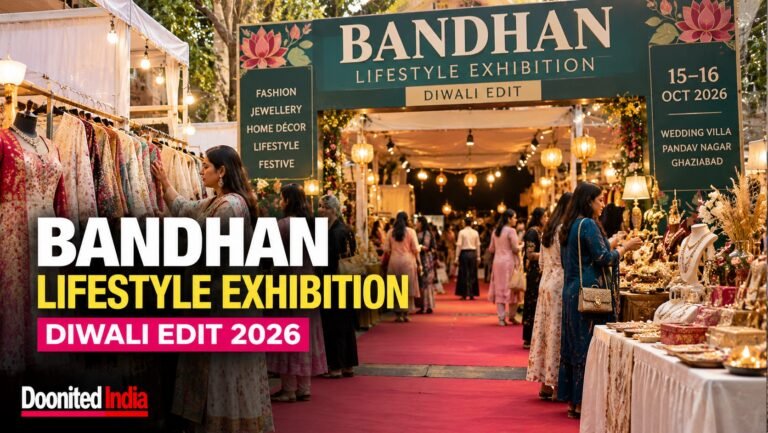
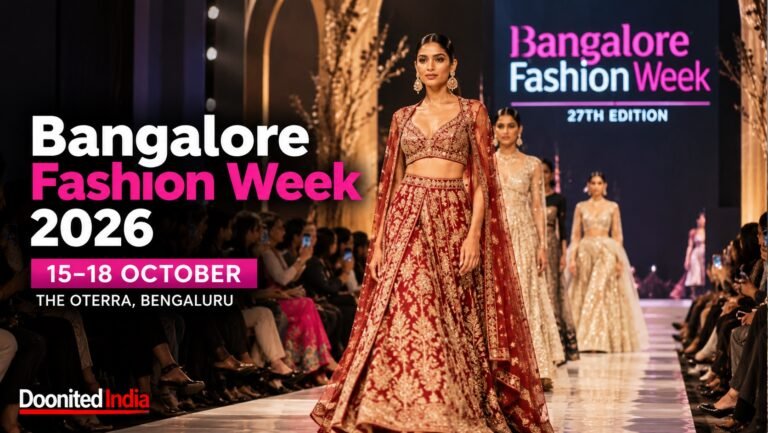
Bangalore Fashion Week’s official website lists its 27th edition for 15–18 October 2026 at The Oterra in Bengaluru. Separately, Bandhan Lifestyle Exhibition lists a Diwali edition for 15–16 October 2026 at Wedding Villa in Ghaziabad. These are distinct events, with different audiences and formats.
For shoppers, fashion weeks offer a view of emerging design directions, while exhibitions provide a more direct shopping environment. Retail collaborations such as Arvind’s can bridge those worlds by bringing selected runway designs into stores.
The timing also places the collaboration close to the festive season, when consumers may be looking for new outfits. But the announcement does not identify the collection as a Diwali capsule or confirm that every look will be available before a particular festival. The confirmed retail detail is that selected pieces are expected at Arvind Stores after the showcase.
The Questions That Remain
The announcement establishes the designer partnership, fabric categories, runway date and intended retail pathway. Several details remain unconfirmed publicly in the material reviewed:
-
The full collection and number of looks.
-
Retail prices and product-level fabric specifications.
-
The exact date selected pieces will reach stores.
-
Which stores will carry the collection and whether online sales will be available.
-
The complete official October Lakmē Fashion Week x FDCI schedule and event-specific venue confirmation.
The venue deserves particular care. The collaboration announcement identifies Taj Palace, New Delhi, for the 16 October presentation. Readers should check the event organiser’s latest schedule for any subsequent updates before making travel plans.
That is not a minor administrative detail. Fashion-week announcements can circulate across press releases, syndicated stories and event listings, and dates or venue information may change. The organiser’s current schedule should be the final reference for attendance.
DOONITED View
The Arvind–Ashish N Soni collaboration is worth watching because it puts the relationship between textile manufacturing and fashion design at the centre of the story. India’s fashion industry is not built only on designers and labels; it also depends on the mills, material specialists, garment makers and retail networks that turn ideas into products.
The most meaningful outcome would be a collection in which that connection is visible in the clothing itself: thoughtful fabric choices, considered construction, a clear design identity and pieces that work beyond the runway.
There is a familiar temptation in fashion coverage to declare a collection a success before the first garment has reached a shop floor. DOONITED’s view is more measured: the collaboration has a credible concept and a defined route towards consumers, but its real value will be judged by the finished products, their pricing, quality and wearability.
A runway can create desire. A good garment has to earn a place in the wardrobe.
Learning Point: When evaluating a designer–textile collaboration, look beyond the names and fabric list. Check the finished garment’s construction, fit, care requirements, price and durability. The strongest fashion proposition is one that connects creative design with practical value.


World Beyond the News
Dolphins Use Individual Signature Whistles
Bottlenose dolphins develop distinctive whistles that function somewhat like individual acoustic identifiers.
The Pacific Is Earth’s Largest Ocean
The Pacific Ocean covers more area than any other ocean basin and stretches between Asia, Australia and the Americas.
Artificial Intelligence Learns Statistical Patterns
Modern machine-learning systems identify patterns in large datasets and use those patterns to generate predictions or outputs.
Why Some Stories Spread So Quickly
Emotion, novelty, visual appeal and easy sharing can make a story travel rapidly across social platforms.