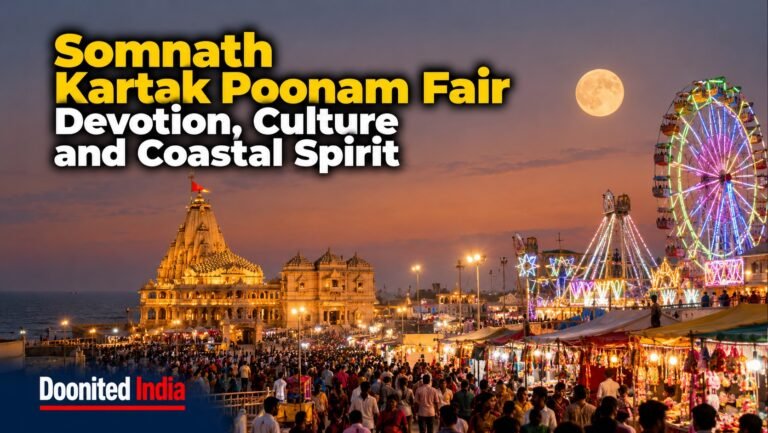
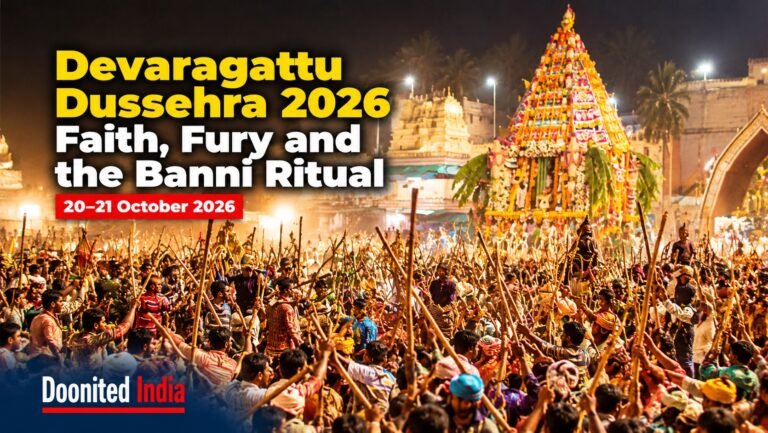
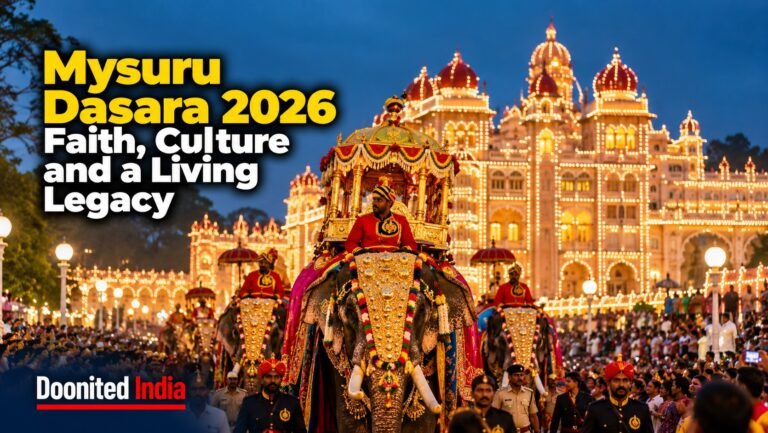
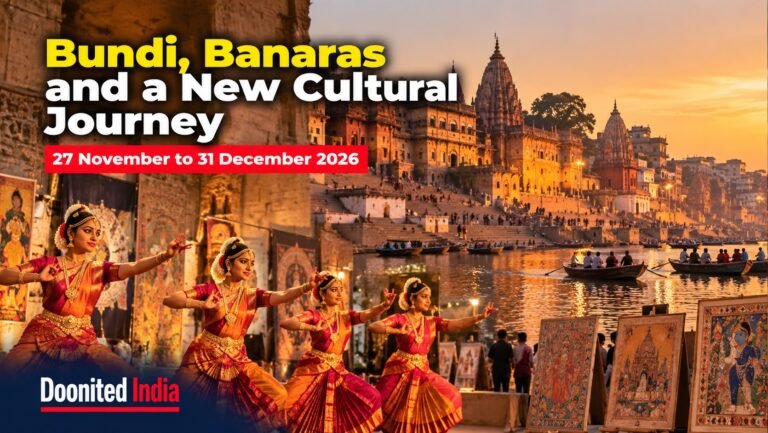
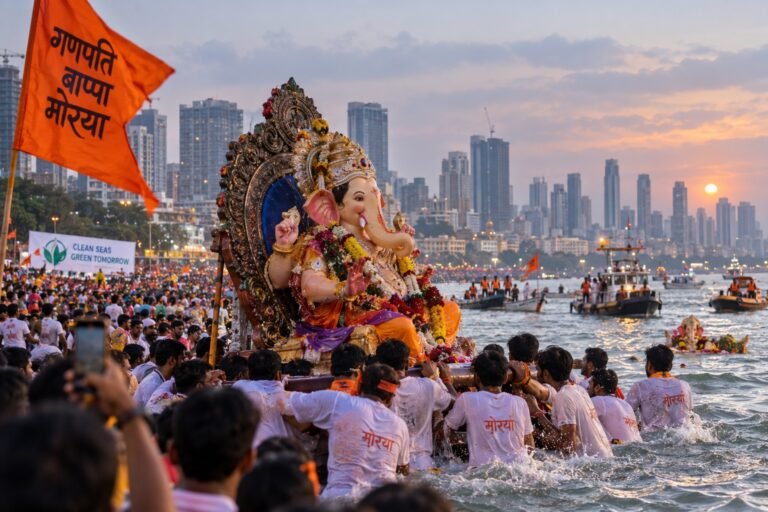
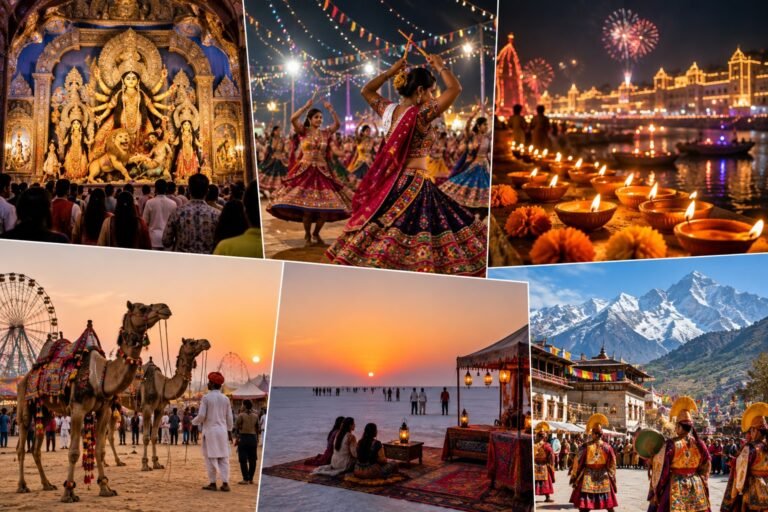
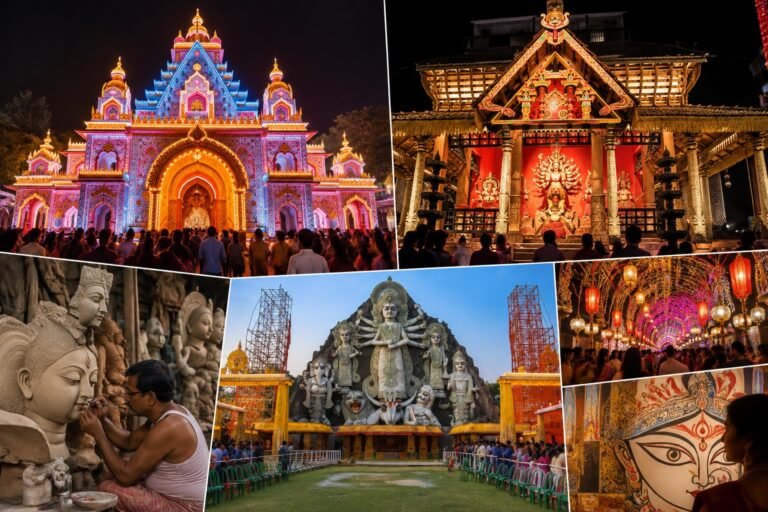
From Community Halls to Trafalgar Square: How Indian Festivals Went Global There was a time when celebrating an Indian festival abroad meant finding a community hall. Someone booked the hall. Someone brought a sound system. Someone arranged the food. Children performed a dance. Parents sat in rows. And, if the samosas ran out early, the organising committee had a small crisis. That world has changed. Today, Indian festivals are increasingly visible in some of the world’s most prominent public spaces. Diwali is celebrated in Trafalgar Square in London. New York City closes its public schools for Diwali. The Empire State Building has illuminated its tower for the festival. And Indian-origin communities around the world are turning cultural celebrations into major civic events. This is not simply a story about bigger festivals. It represents something more important: Indian identity abroad has moved from being something communities preserved privately to something increasingly celebrated publicly. Trafalgar Square tells the story London provides one of the clearest examples. The city’s annual Diwali on the Square is held at Trafalgar Square, one of London’s most recognisable public spaces. The 2026 event is scheduled for October 25 and is organised as a free public celebration open


World Beyond the News
Bees Communicate Where Food Is
Honeybees use movement patterns known as waggle dances to communicate information about food locations.
Street Food Reflects Local History
Many famous street foods developed from migration, trade, local ingredients and the everyday needs of working communities.
A Day on Venus Is Extremely Long
Venus rotates so slowly that one rotation relative to distant stars takes longer than its trip around the Sun.
Human Achievement Continues to Push Limits
Athletes, engineers, scientists and explorers regularly establish new benchmarks in speed, endurance, scale and precision.