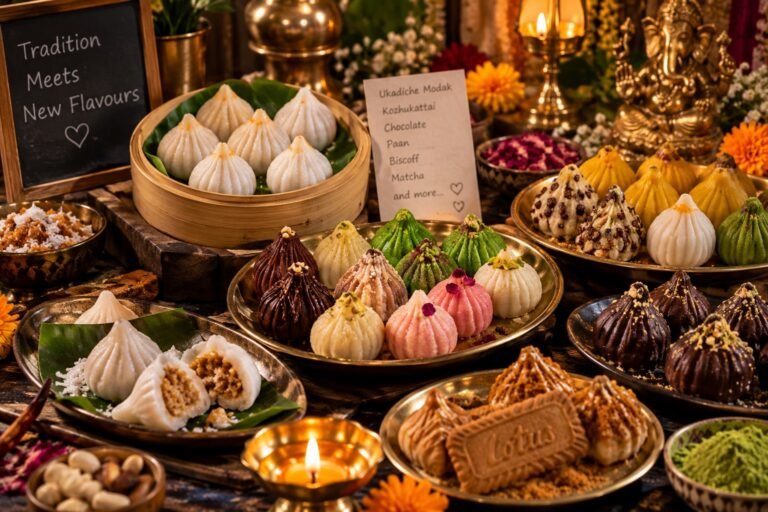
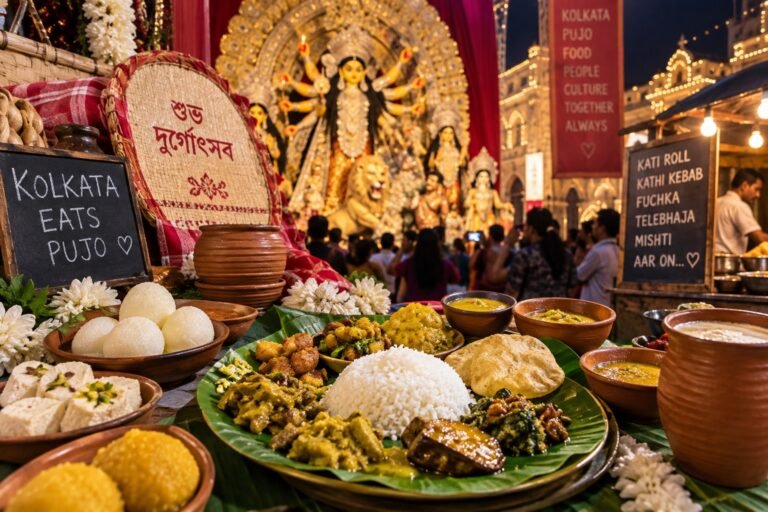
How Spices, Diversity and the Indian Diaspora Took a Cuisine Global Ask someone in London, New York, Melbourne, Dubai or Singapore what they know about Indian food and there is a good chance the answer will arrive surprisingly quickly. Curry. Naan. Biryani. Samosa. Perhaps paneer. But that is where the interesting part begins. Because Indian food is not really one cuisine. It is a remarkably large collection of regional culinary traditions shaped by geography, agriculture, religion, trade, migration and centuries of cultural exchange. And somehow, this extraordinarily complicated food system has managed to become extraordinarily portable. That is one reason Indian food has become a global phenomenon. It did not conquer the world with one dish. It arrived with thousands. The first secret: Indian food knows how to build flavour Salt and pepper can certainly make food delicious. Indian cooking looked at that arrangement and apparently decided that two ingredients were not enough. Cumin, coriander, turmeric, cardamom, cloves, cinnamon, black pepper, mustard seeds, fenugreek, chilli, ginger and garlic are among the many ingredients used across India’s culinary traditions. But the important point is not simply the number of spices. It is how they are combined and prepared. Spices may be


World Beyond the News
Dolphins Use Individual Signature Whistles
Bottlenose dolphins develop distinctive whistles that function somewhat like individual acoustic identifiers.
The Pacific Is Earth’s Largest Ocean
The Pacific Ocean covers more area than any other ocean basin and stretches between Asia, Australia and the Americas.
Artificial Intelligence Learns Statistical Patterns
Modern machine-learning systems identify patterns in large datasets and use those patterns to generate predictions or outputs.
Why Some Stories Spread So Quickly
Emotion, novelty, visual appeal and easy sharing can make a story travel rapidly across social platforms.